Gravity Chemicals

Choosing the Right UV Filter Skin Care Ingredients: A Guide to Sunscreen’s Raw Materials

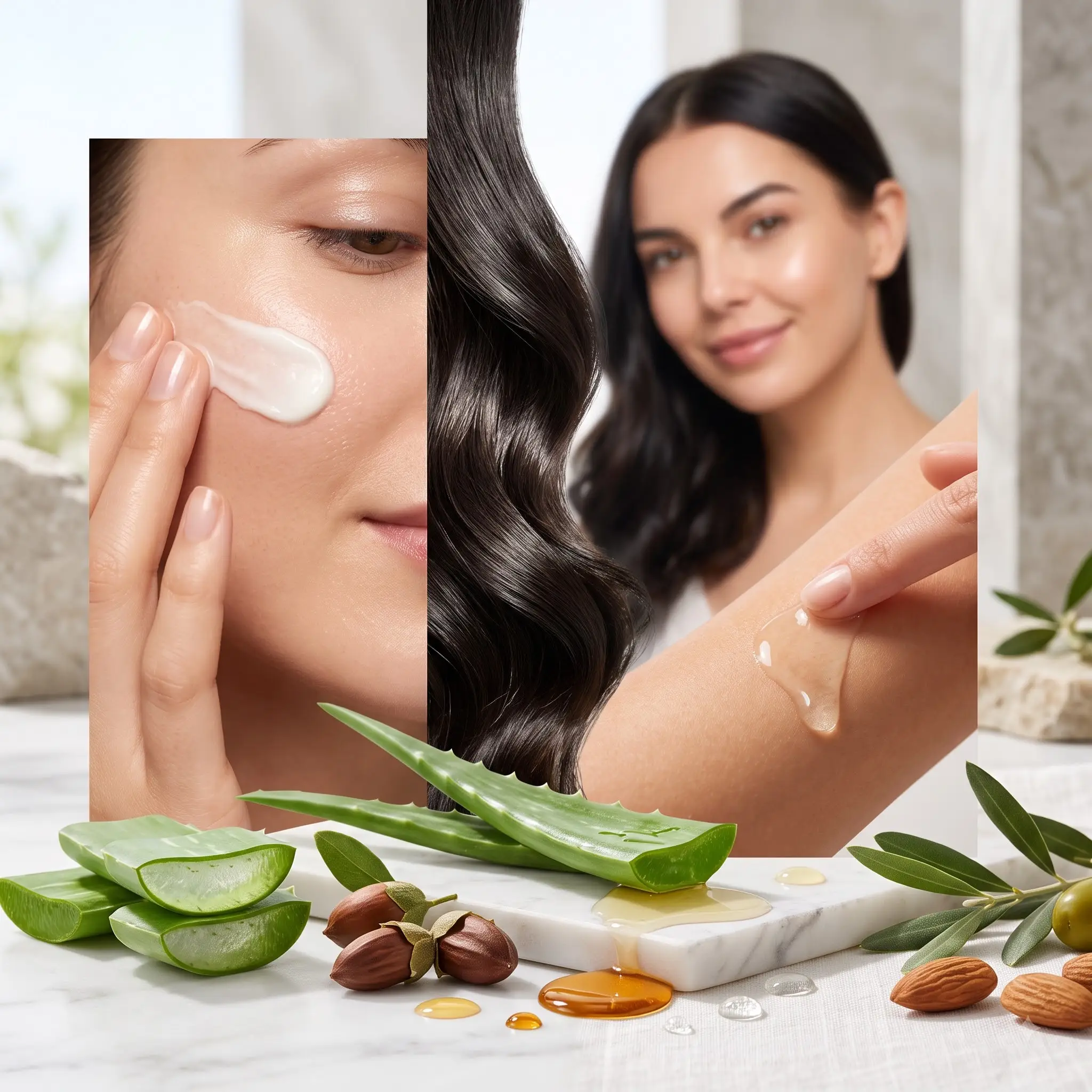
UV filter skin care ingredients and sunscreen raw materials used in advanced sun protection formulations.
Sun protection has become an essential part of modern skincare routines. As awareness of the harmful effects of ultraviolet (UV) radiation continues to grow, consumers are increasingly seeking sunscreen products that offer effective protection while remaining comfortable, safe, and suitable for daily use. Behind every high-performing sunscreen lies a carefully selected combination of ingredients that work together to shield the skin from harmful UV rays. For manufacturers and skincare brands, developing an effective sunscreen involves much more than selecting a high SPF value. The quality of the formulation depends on the choice of UV filters, emollients, stabilizers, emulsifiers, preservatives, and other supporting ingredients. Understanding these components helps manufacturers create products that deliver reliable sun protection while meeting evolving consumer expectations. This guide explores the importance of uv filter skin care formulations and explains the role of sunscreen’s raw materials in producing safe, effective, and high-quality sun care products.

Why Sun Protection Is Essential

Exposure to ultraviolet radiation can have both immediate and long-term effects on the skin. While moderate sunlight is beneficial for vitamin D production, excessive UV exposure can lead to:
  • Premature skin aging
  • Sunburn
  • Hyperpigmentation
  • Loss of skin elasticity
  • Increased risk of skin damage
Modern sunscreen formulations are designed to reduce these risks by creating a protective barrier against harmful UV radiation.

Understanding UV Filters

UV filters are the active ingredients responsible for protecting the skin from ultraviolet rays. They work by either absorbing, reflecting, or scattering UV radiation before it can penetrate the skin. UV filters generally fall into two categories:
  • Organic (Chemical) UV Filters:
These filters absorb UV radiation and convert it into a small amount of heat before it can damage the skin. Benefits include:
  • Lightweight formulations
  • Transparent application
  • Comfortable daily wear
  • Broad formulation flexibility
  • Inorganic (Mineral) UV Filters:
Mineral filters create a protective barrier that reflects and scatters UV rays. Advantages include:
  • Suitable for sensitive skin
  • Immediate protection after application
  • Excellent stability
  • Broad-spectrum protection when properly formulated
Choosing the appropriate uv filter skin care ingredients depends on the intended product type, target market, and regulatory requirements.

Key Components of Sunscreen Formulations

Effective sunscreens rely on multiple ingredient categories working together.

  • UV Filters:

These provide the primary protection against UVA and UVB radiation.

  • Emollients: 

Emollients improve skin feel and help spread the product evenly.

Common benefits include:

  • Smooth application
  • Improved moisturization
  • Enhanced consumer experience
  • Emulsifiers

Many sunscreens combine water and oil phases. Emulsifiers maintain product stability by preventing separation.

  • Film Formers: 

Film-forming ingredients help the sunscreen remain evenly distributed across the skin surface, improving protection and durability.

  • Preservatives:

Preservatives protect formulations from microbial contamination and help extend shelf life.

  • Antioxidants:

Antioxidants help protect formulations from oxidation while also supporting overall skin protection by reducing the effects of environmental stress.

The careful selection of sunscreen’s raw materials ensures that every ingredient contributes to product stability and performance.

Characteristics of High-Quality Sunscreen Raw Materials

Manufacturers evaluate ingredients based on several important criteria.

  • Safety: Ingredients should comply with regulatory standards and be suitable for their intended application.
  • Stability: Raw materials must remain effective throughout the product’s shelf life.
  • Compatibility: Ingredients should work well together without affecting formulation stability.
  • Performance: Each component should contribute to effective UV protection and a pleasant user experience.
  • Consumer Appeal: Modern consumers expect products that are lightweight, non-greasy, and easy to apply.

Importance of Broad-Spectrum Protection

Today’s consumers expect sunscreen products to provide protection against both UVA and UVB radiation.

Broad-spectrum formulations help protect against:

  • Sunburn
  • Premature aging
  • Long-term skin damage
  • Uneven skin tone

Proper ingredient selection plays an important role in achieving balanced UV protection.

Innovation in UV Filter Technology

The sun care industry continues to evolve through research and technological advancements.

Current areas of innovation include:

  • Improved Photostability: Modern UV filters are designed to remain effective even after prolonged sunlight exposure.
  • Lightweight Formulations: Consumers increasingly prefer sunscreens that feel comfortable for daily use.
  • Water-Resistant Systems: Advanced formulations maintain protection during perspiration and water exposure.
  • Enhanced Sensory Experience: Manufacturers focus on reducing whitening effects and greasy textures.

These innovations continue to improve the effectiveness of uv filter skin care products.

Sustainability in Sunscreen Development

Environmental responsibility has become an important consideration in sunscreen formulation.

Manufacturers are increasingly exploring:

  • Responsibly sourced ingredients
  • Biodegradable formulation components
  • Sustainable manufacturing practices
  • Reduced environmental impact packaging

Sustainability initiatives help companies meet both consumer expectations and regulatory developments.

Role of Ingredient Suppliers

Reliable ingredient sourcing is essential for producing consistent, high-quality sunscreen products.

Trusted suppliers provide:

  • High-quality raw materials
  • Technical formulation support
  • Regulatory documentation
  • Quality assurance
  • Product innovation expertise

Strong supplier relationships help manufacturers maintain formulation consistency and product performance.

Challenges in Sunscreen Formulation

Developing an effective sunscreen involves balancing multiple factors simultaneously.

Manufacturers must consider:

  • UV protection effectiveness
  • Product stability
  • Skin compatibility
  • Texture and appearance
  • Cost efficiency
  • Regulatory compliance
  • Consumer preferences

Successfully balancing these factors requires extensive formulation expertise and careful ingredient selection.

Future Trends in Sun Care Products

The sunscreen market continues to evolve as consumer expectations change.

Emerging trends include:

  • Daily Wear Sunscreens: Products designed for everyday skincare routines.
  • Multi-Functional Formulations: Combining sun protection with moisturizing and skincare benefits.
  • Transparent Mineral Sunscreens: Reducing the white cast traditionally associated with mineral formulations.
  • Advanced Ingredient Technologies: Improving product performance while enhancing skin comfort.

These developments continue to expand opportunities for innovation within the sunscreen industry.

Company Perspective: Building Better Sun Protection Products

From a business standpoint, ingredient selection directly influences product quality, brand reputation, and customer satisfaction.

Companies increasingly prioritize raw materials that offer:

  • Proven safety
  • Reliable UV protection
  • Excellent formulation stability
  • Superior sensory performance
  • Compliance with global regulations

Investing in high-quality ingredients allows manufacturers to develop products that meet evolving consumer expectations while maintaining long-term competitiveness.

Conclusion

Modern sunscreen products rely on carefully selected ingredients that work together to provide effective, stable, and comfortable sun protection. From UV filters to emulsifiers and antioxidants, every component contributes to the overall quality and performance of the final formulation.

The continued advancement of uv filter skin care technologies and the careful selection of sunscreen’s raw materials are helping manufacturers create products that protect consumers while supporting innovation, sustainability, and product excellence.

As the demand for advanced sun care solutions continues to grow, companies that invest in high-quality ingredients and formulation expertise will be well-positioned to meet future market needs and deliver superior products.

Frequently Asked Questions (FAQs)

UV filters are active ingredients that protect the skin by absorbing, reflecting, or scattering harmful ultraviolet radiation.

They determine the product’s effectiveness, stability, texture, safety, and overall performance.

Chemical UV filters absorb UV radiation and convert it into heat, while mineral UV filters reflect and scatter UV rays from the skin’s surface.

They evaluate ingredients based on safety, regulatory compliance, compatibility, stability, performance, and consumer preferences.

Broad-spectrum sunscreens protect against both UVA and UVB rays, helping reduce the risk of sunburn, premature aging, and long-term skin damage.

gravitychemicals

all author posts

Leave a Reply

Your email address will not be published. Required fields are makes.